







必學足球商業慣用語|「Own goal」、「Red Card」唔止講波咁簡單?由球場到Office,令商業英語更加生動自然

世界盃決賽即將於本周末上演,經過一個月的激烈角逐,最後兩支頂尖球隊將會師決賽,爭奪最高榮譽。無論你是否球迷,足球話題在這段時間都幾乎無可避免地出現在辦公室、會議室,甚至與客戶的email往來之中。
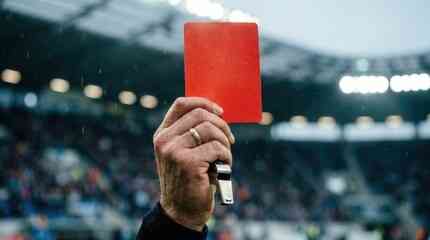
(Photo credit: https://stock.adobe.com/ )
但你知道嗎?許多在球場上聽到的術語,其實早已融入Business English之中,成為職場溝通的常用詞彙。事實上,足球與商業之間存在大量共通之處。公司如同球隊,員工如同球員,策略如同戰術,而成功則如同射門得分。正因為這些相似之處,大量源自足球的英語慣用語,早已成為Business Communication的日常用語。掌握這些詞彙,不僅能夠令你在會議和email中表達更為生動,更能夠在與外國客戶或同事交談時,展現你對語言和文化的掌握。
本周,筆者將為你介紹12個最常用、最實用的足球商業慣用語,助你即學即用。
1. Kick off —— 開始
“Kick off”本來是足球術語,指「開球」。在商業英語中,它表示「開始某項活動、會議或項目」。
例句1:
"Let's kick off the meeting with a quick update on the project."
「讓我們以項目的最新進展來開始這次會議。」
例句2:
"We will kick off the new marketing campaign next Monday."
「我們將於下星期一展開新的市場推廣活動。」
2. Move the goalposts —— 改變規則/提高難度
這個慣用語源於足球,指「移動龍門柱」。在商業語境中,它形容在過程中突然改變條件或要求,令事情變得更困難。這通常帶有負面含義,暗示對方不公平或缺乏計劃。
例句1:
"Just when we were close to finalising the deal, the client moved the goalposts with new requirements."
「正當我們快要敲定交易時,客戶卻提出了新要求,改變了遊戲規則。」
例句2:
"We need to clarify all terms upfront so they can't move the goalposts later."
「我們需要事先釐清所有條款,以免他們其後改變規則。」
3. A level playing field —— 公平競爭環境
這個詞語指的是沒有不公平優勢的競爭環境,在商業談判和政策討論中經常使用。
例句:"We need regulations to ensure a level playing field for all companies in the industry."
「我們需要規管,以確保業內所有公司都能在公平的競爭環境中營運。」
例句:"Small businesses struggle to compete on a level playing field with large corporations."
「小型企業很難在公平的競爭環境中與大型企業競爭。」
4. Score an own goal —— 擺烏龍

(Photo credit: https://stock.adobe.com/ )
“Own goal”指球員將球踢入自己的龍門。在商業語境中,它指「無意中做了對自己或自己所屬組織有害的事情」。
例句1:
"By raising prices during a recession, the company scored an own goal and lost many loyal customers."
「在經濟衰退期間加價,該公司可謂擺了個烏龍,失去了許多忠實客戶。」
例句2:
"The CEO's careless remarks during the interview scored an own goal for the company's reputation."
「行政總裁在訪問中的不慎言論,對公司聲譽造成了自我傷害。」
5. Get the ball rolling —— 開始行動
這個片語非常常用,意思是「讓事情開始進行」。它強調啟動一個過程或項目。
例句1:
"We've secured the initial funding, so let's get the ball rolling on the product development."
「我們已獲得初始資金,讓我們啟動產品開發吧。」
例句2:
"I've prepared the proposal – now we just need to get the ball rolling."
「我已經準備好建議書,現在我們只需要開始行動。」
6. On the ball —— 機靈的/有警覺性的
這個慣用語形容一個人反應敏捷、能夠迅速察覺問題並作出適當回應。
例句1:
"Our account manager is really on the ball – she spotted the issue before the client even mentioned it."
「我們的客戶經理非常機警,她在客戶提出之前就已經發現了問題。」
例句2:
"You need to be on the ball when dealing with demanding clients."
「處理要求高的客戶時,你需要時刻保持警覺。」
7. Stick to the game plan —— 遵循既定策略

(Photo credit: https://stock.adobe.com/ )
“Game plan”本來是指球隊的作戰計劃。在商業語境中,它指「預先制定的策略或計劃」。
例句1:
"Despite the market volatility, we need to stick to our game plan and not make rash decisions."
「儘管市場波動,我們需要遵循既定策略,不要作出草率的決定。」
例句2:
"Let's review our game plan before the quarterly review meeting."
「讓我們在季度檢討會議之前,檢視一下我們的策略。」
8. A game-changer —— 改變局勢的因素
這個詞語形容一個能夠徹底改變某個行業、市場或局勢的人、產品或事件。
例句1:
"This new technology could be a real game-changer for the logistics industry."
「這項新技術可能會為物流行業帶來重大變革。」
例句2:
"Our recent partnership with that tech firm is a total game-changer for our business."
「我們最近與那間科技公司的合作,對我們的業務來說是徹底的改變。」
9. Keep one's eye on the ball —— 專注於目標
這個慣用語源自足球,指球員需要時刻注視著球的位置。在商業語境中,它表示「保持專注於核心目標或最重要的事情」,不被次要事務分散注意力。
例句1:
"With so many distractions, it's important to keep your eye on the ball and focus on our quarterly targets."
「面對眾多干擾,保持專注於我們的季度目標是非常重要的。」
例句2:
"Despite the market turbulence, we kept our eye on the ball and completed the project on time."
「儘管市場動盪,我們仍然專注於目標,按時完成了項目。」
10. Back to the drawing board —— 重新開始

(Photo credit: https://stock.adobe.com/ )
這個慣用語雖然源自足球賽後檢討,但現已廣泛應用於各種商業場景。它指「當原本的計劃失敗時,回到起點重新規劃」。
例句1:
"The client rejected our proposal – it's back to the drawing board for us."
「客戶拒絕了我們的建議書——我們需要回到起點重新規劃。」
例句2:
"Our initial strategy didn't work, so we need to go back to the drawing board and come up with a fresh approach."
「我們最初的策略沒有奏效,所以我們需要回到起點,想出一個新的方案。」
11. Red card —— 嚴重違規/終止合作
“Red card”(紅牌)在足球比賽中代表球員被逐離場。在商業語境中,它指「嚴重的違規行為」,亦可用來形容「終止與某方的合作關係」,通常涉及誠信問題或嚴重過失。
例句:
"The supplier's repeated quality issues earned them a red card from our procurement team."
「該供應商屢次出現品質問題,令他們被我們的採購團隊終止合作。」
例句:
"Giving false information to a client is a red card offence in our industry."
「向客戶提供虛假資訊在我們行業中是嚴重違規行為。」
12. Tactical foul —— 策略性取捨
“Tactical foul”(戰術犯規)在足球比賽中是指為了阻止對方進攻而故意犯規,雖然會換來黃牌,但能夠避免更大的損失。在商業語境中,它指「為了長遠利益而作出的短期犧牲或策略性取捨」。
例句:"We made a tactical foul by accepting a lower margin on this deal to secure a long-term partnership."
「我們在這筆交易中接受了較低的利潤,作為換取長期合作關係的策略性取捨。」
例句:"Delaying the product launch by two months was a tactical foul, but it ensured we didn't release a faulty product."
「將產品發佈延遲兩個月是一個策略性取捨,但確保了我們沒有推出有缺陷的產品。」
以上12個源自足球的商業慣用語,都是職場中非常常見的表達方式。無論是開會時說“Let's kick off”、討論策略時提到“stick to the game plan”,還是形容一個重要突破為“game-changer”,這些詞彙都能夠令你的商業英語更加生動自然。下次與外國客戶或同事傾談時,不妨運用一兩個這些慣用語,展現你對語言和文化的掌握。畢竟,在商業這個「球場」上,懂得運用適當的語言,本身就是一種優勢。
 Add a comment ...
Comment
暫無回應